
UPI at 10: how PhonePe and GPay built a duopoly
The third post in the series as #UPI completes a decade.
👉 How the #duopoly was built by #PhonePe and #GPay!
Going back to 2016, around the time of #demonetization.
- #Paytm was the dominant player in the #DigitalEcosystem
- PhonePe had just launched a few months before
- BHIM came later in Dec
- Google Pay entered late in 2017
While Paytm continued to focus on wallets, for the reasons discussed in the last post, the new players went all-in on:
- UPI (government-backed, cheaper)
- Massive Cashbacks (investor-funded growth)
There was a phase when:
- Spend ₹100 → Get ₹500 or even ₹1000 back 😄
We used to love those 'Scratch Cards.'
Many of us (including me) were happy participants in this “growth strategy”.
Users came for cashbacks, stayed for convenience, and over time, Habit became stickiness, and Stickiness became scale! From customers to merchants, everyone started loving UPI!
The Outcome Today
PhonePe + Google Pay - Control ~80% of the UPI market share!
A clear duopoly
Can it be broken?
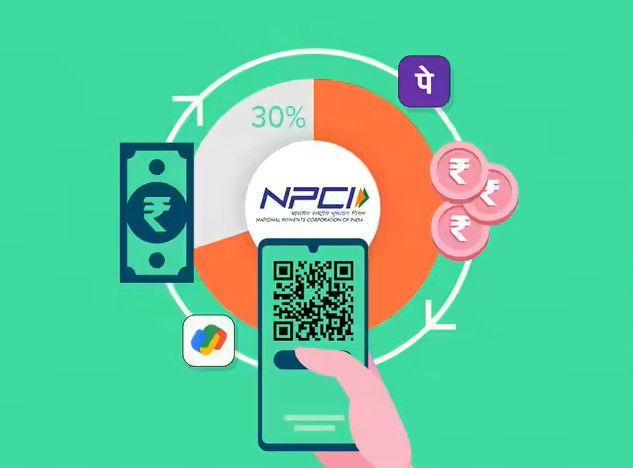
- Regulators have tried: 30% market share cap per app (still largely on paper)
- Push for bank-led apps: Banks responded, but with limited success
The dominant position for Phone Pe and GPay is not only about tech.
It was about: Distribution + Incentives + Habit formation!
Once a payment app becomes your default, Switching feels unnecessary!
The duopoly didn’t happen overnight. It was built - transaction by transaction.
Next in the series
Can this duopoly be broken?
And who are the challengers?